Ban on Importing Regional Currencies into Afghanistan; Objectives, Reactions, and Challenges
Sabiha azimi- Da Afghanistan Bank (the central bank) has announced that the import of currencies from certain regional countries into Afghanistan is prohibited.

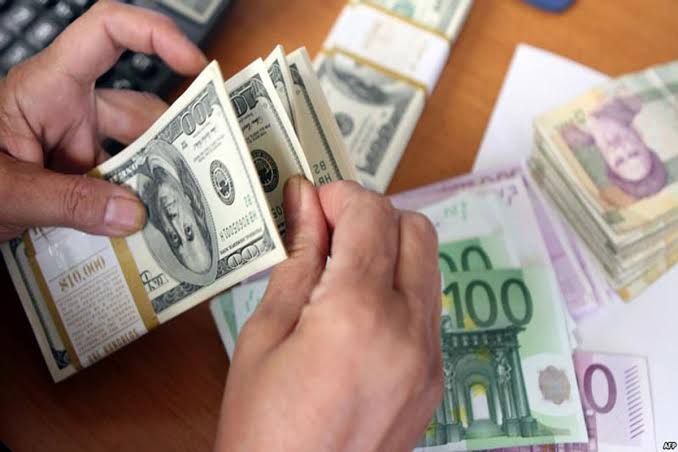
According to officials, this decision has been made with the aim of strengthening the position of the Afghan currency (Afghani), maintaining the stability of the monetary system, and reducing dependence on foreign currencies.
Haseebullah Noori, spokesperson for Da Afghanistan Bank, stated in this regard to weezha roz daily newspaper: “The main objective of this decision is to support the national currency, strengthen the stability of the country’s monetary system, and prevent the widespread use of foreign currencies in domestic transactions.
This measure will help consolidate the position of the Afghani in economic exchanges, increase public confidence in the national currency, and maintain stability in the foreign exchange market.”
According to him, this decision has also been made for traders, money exchangers (sarafs), and citizens with the goal of creating greater order in monetary transactions and encouraging the use of the Afghani.
He added: “It is expected that this measure will help strengthen the Afghani’s position in the market, reduce dependence on foreign currencies, and increase the country’s economic stability.
Furthermore, necessary facilities for legal activities related to foreign trade will be provided in accordance with applicable laws and regulations.”
The central bank spokesperson also emphasized that the implementation process of this decision will be pursued through public awareness and monitoring.
He said: “In case of any violation of the applicable regulations, necessary legal actions will be taken by the relevant authorities in accordance with the law.”
Meanwhile, a number of money exchangers, traders, and citizens have expressed mixed views regarding this decision.
Mashooq Alkozai, a 24-year-old money exchanger, said: “With the implementation of this decision, the activities of exchange shops will be somewhat restricted, and it is necessary to consider legal and alternative channels for conducting financial transactions.”
He believes that this measure could have a positive impact on maintaining the stability of the Afghani, but warned that without careful planning and proper management, there is a possibility of negative consequences.
Rafi Katib, a 31-year-old citizen, also said: “The goal of this measure could be to strengthen the country’s monetary system and reduce financial dependence on neighboring countries.”
In his view, “one of the positive outcomes of this decision is the increased demand for the Afghani in the market, which contributes to economic stability.”
However, he emphasized that “this measure could also bring challenges, including restrictions for businessmen and the potential rise in prices of certain goods in the market.”
On the other hand, Jamshid Faizi, a dye trader in Herat, told weezha roz daily: “In the short term, this decision may slow down the pace of transactions; but if the goal is to strengthen the Afghani and bring order to the currency market, in the long run it can contribute to economic stability.”
He added: “At the beginning, trade with neighboring countries may face challenges in terms of payments and settlements; however, with the establishment of proper banking solutions, this problem can be managed.”
According to Faizi, “Our expectation from the central bank is that alongside the implementation of this decision, it also provides necessary facilities for traders, including the creation of transparent mechanisms for money transfers, acceleration of banking services, better access to foreign currency needed for trade, and greater coordination with domestic banks and neighboring countries, so that the process of imports, exports, and economic activities continues with minimal disruption.”
Despite the differing opinions, many economic experts believe that the success of this decision will depend on how it is implemented, the cooperation of citizens, and the provision of necessary facilities for traders and economic actors.
end