Atif Mashal Analyzes Iran-US Memorandum of Understanding; A Diplomatic Achievement with Challenges Ahead
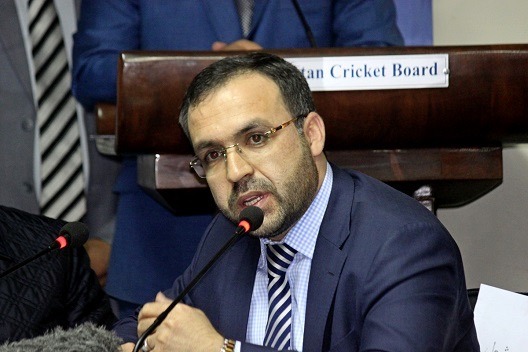
Fawzea sediqi- Atif Mashal states that the signing of the memorandum of understanding between Iran and the United States can be considered a significant diplomatic advancement for Iran and a positive development for the region. Although the next phase of negotiations still appears to be filled with complexities and sensitive issues, the fact that both sides have managed to reach a mutual understanding within the framework of a preliminary memorandum is itself a noteworthy achievement.

According to available information, this memorandum of understanding largely takes into account Iran’s fundamental concerns and interests, indicating that Tehran has been able to maintain a balanced stance between pressure, confrontation, and negotiation.
The significance of this process is not limited to the content of the memorandum alone.
Perhaps the most important development is that Iran was able to influence the structure of the US perspective on the region and steer discussions around the axis of broader regional realities.
In this regard, in recent days, the differences in views and priorities between Washington and Tel Aviv regarding the Iran-US memorandum have become more apparent than ever before a situation that was previously difficult to even imagine.
Now it remains to be seen to what extent Israel’s influence and lobbying can impact the US decision-making process and the future of this memorandum.
However, so far it appears that Iran has succeeded in raising some important regional calculations and discussions from a new angle.
Overall, Iran, which during times of crisis and confrontation demonstrated resistance, patience, and national will, has also proven its capability in diplomacy through prudence, political intelligence, and sagacity.
Of course, the time for final judgment has not yet arrived, and the main outcomes of this process will become clear in the upcoming stages of negotiations.
However, one important lesson is that although courage, resistance, and sacrifice on the battlefield constitute an essential part of victory, diplomacy is the second and complementary aspect of victory.
It is diplomacy that preserves and strengthens victory and paves the way for achieving multiple political and strategic benefits from the strength, sacrifices, and achievements of the battlefield.
End